
Nsimbi
- Announcement
- 04/26/2018



About
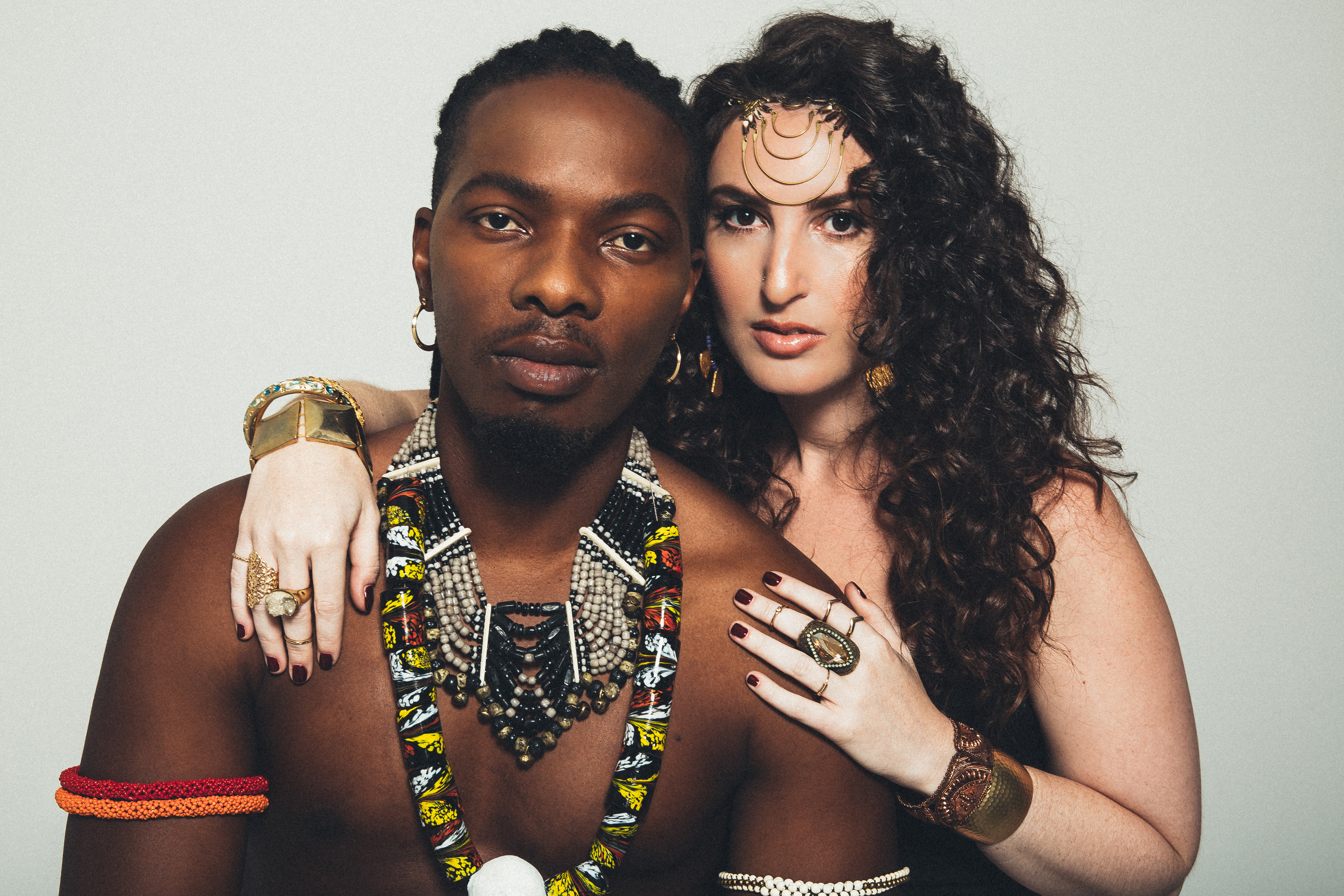
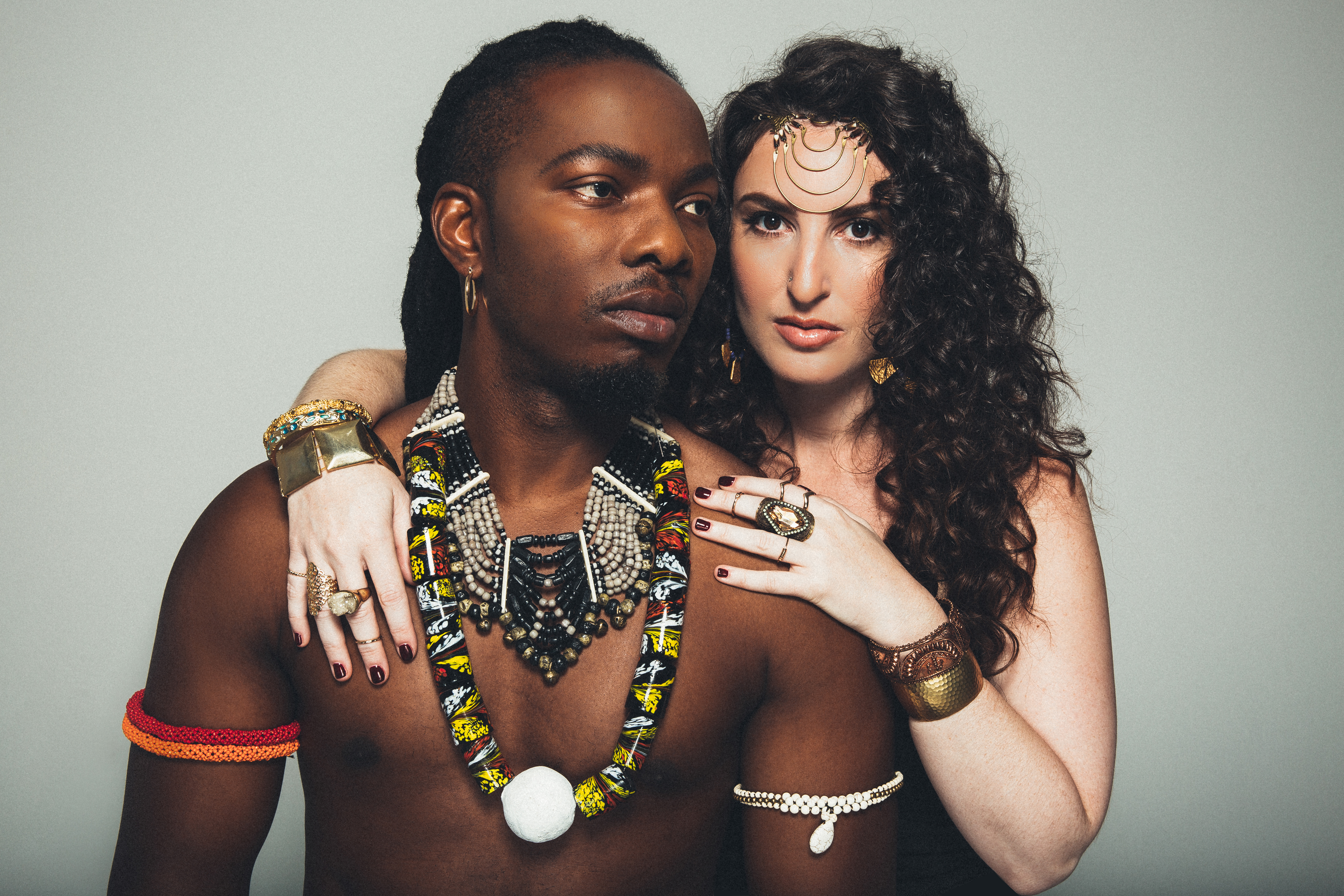
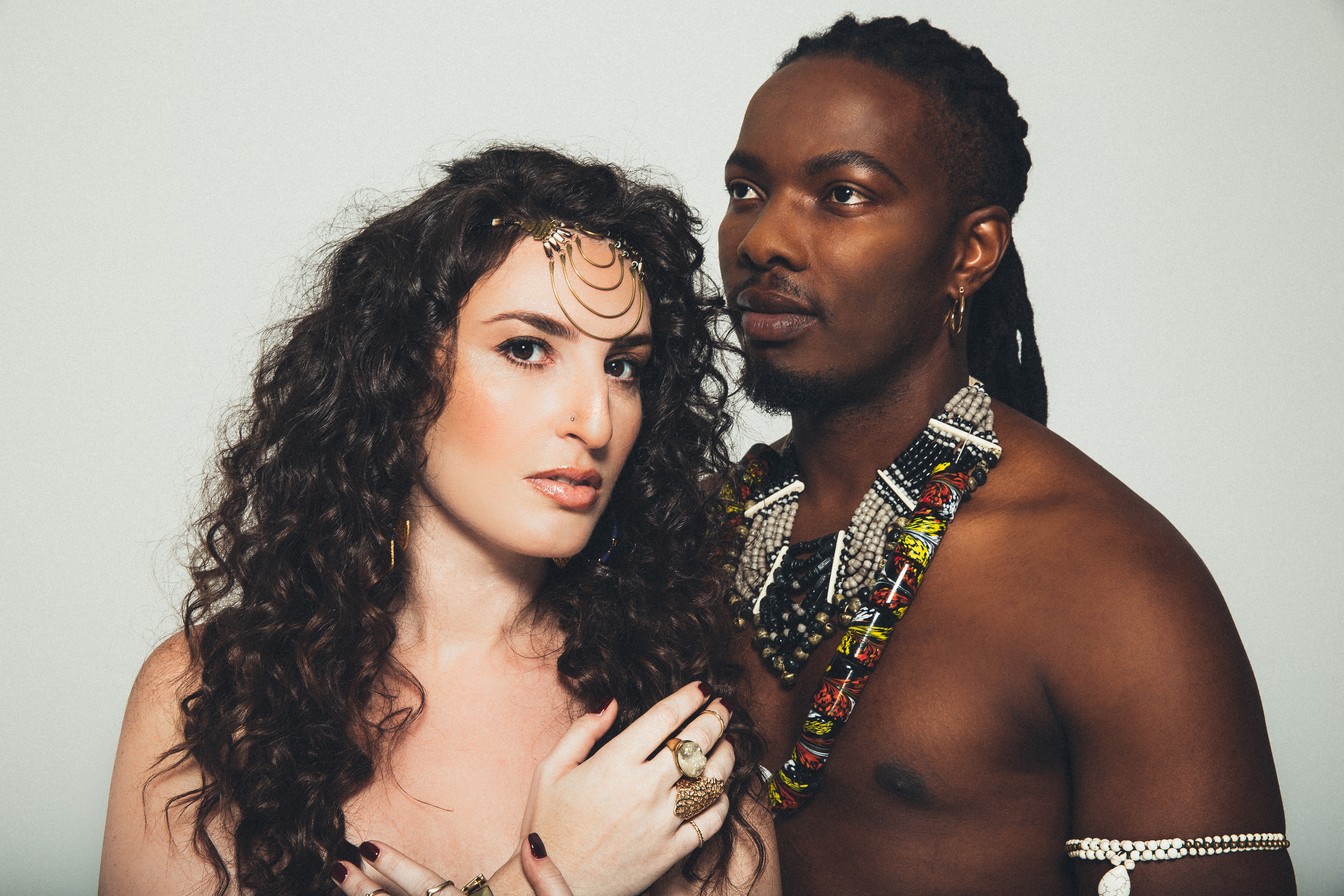
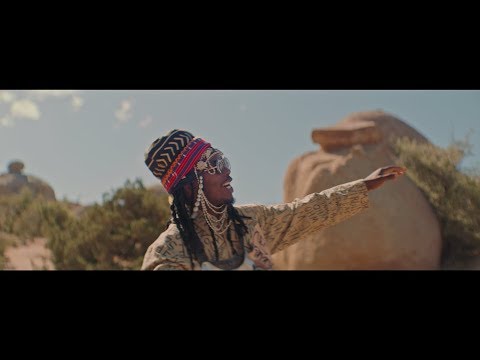
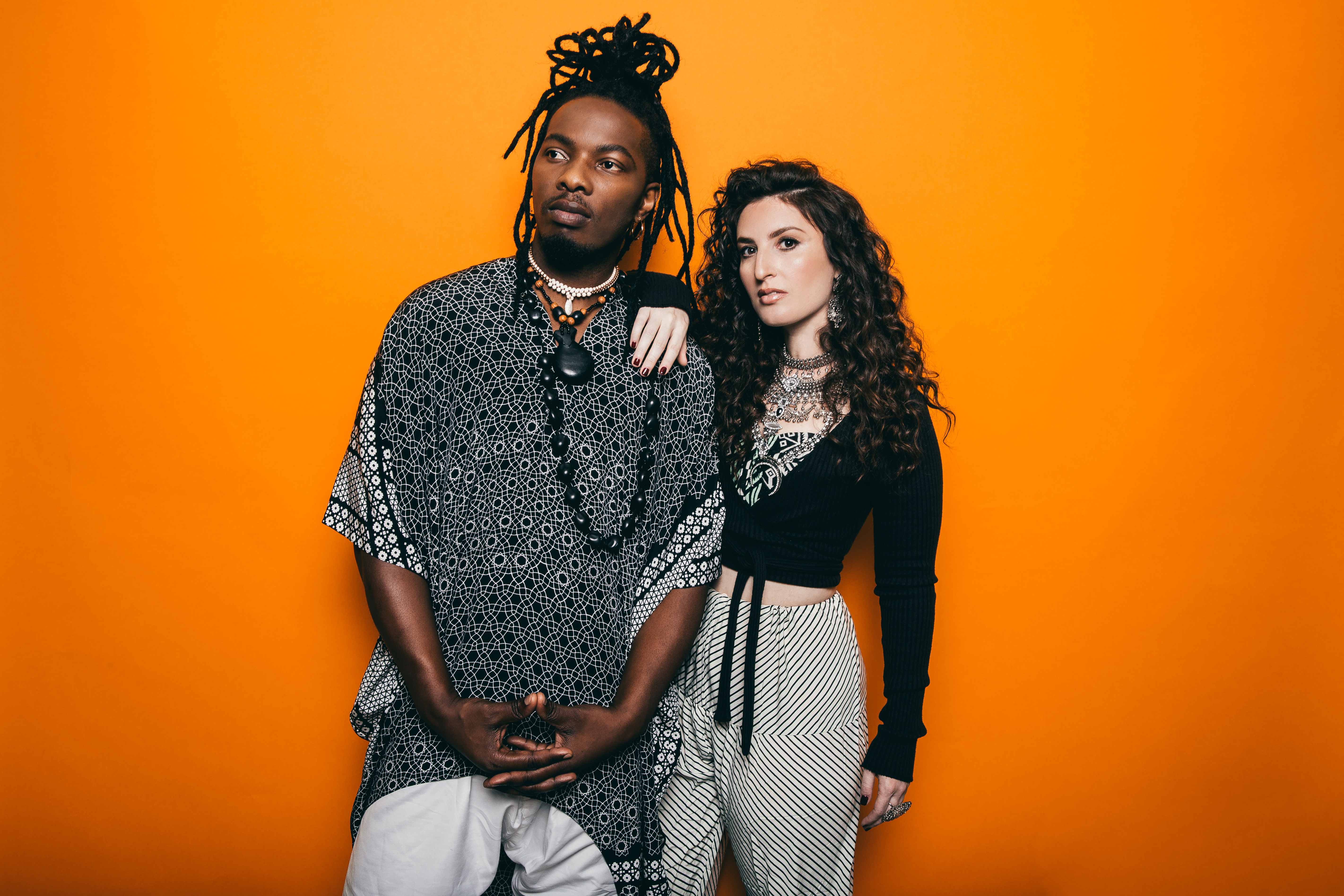
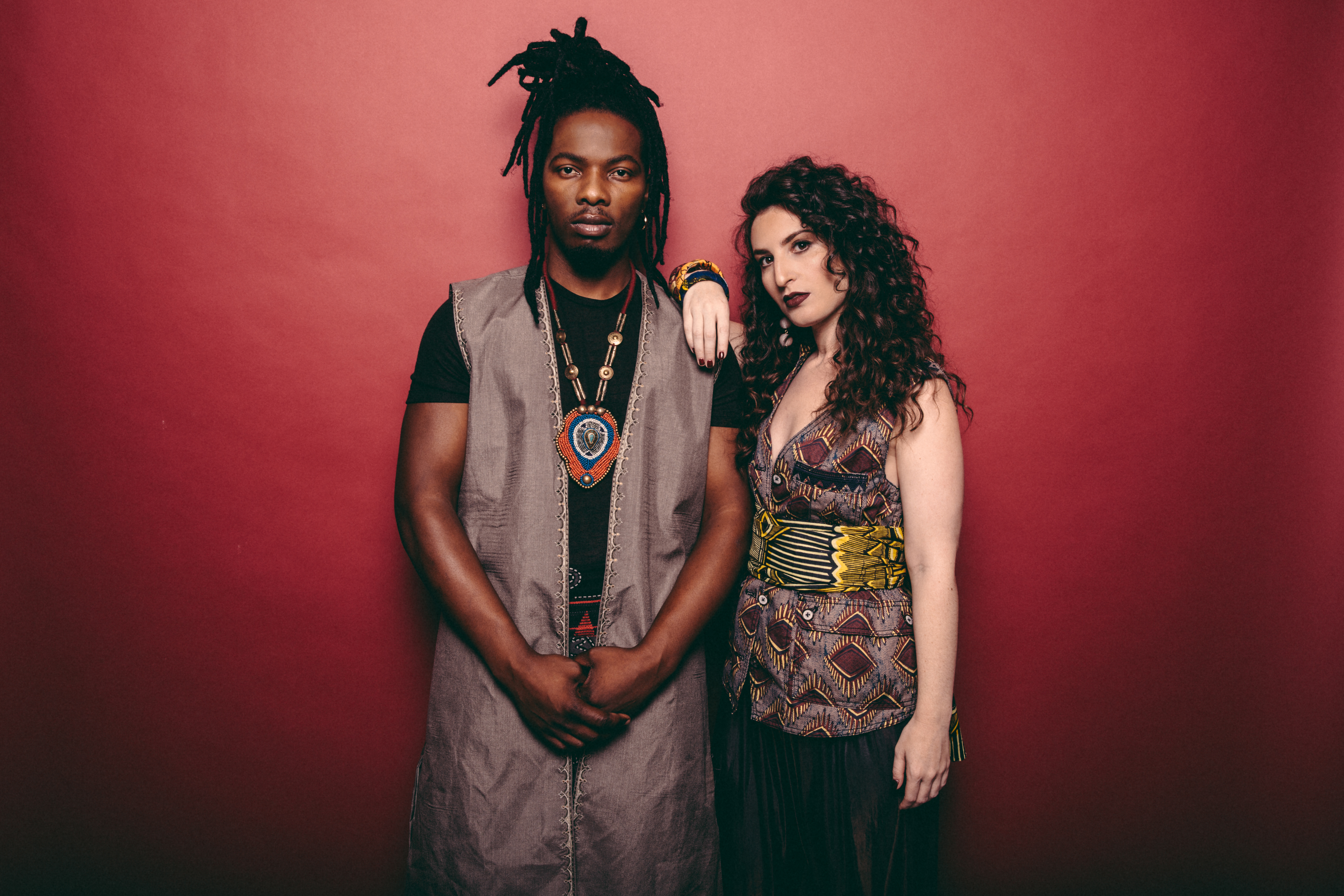
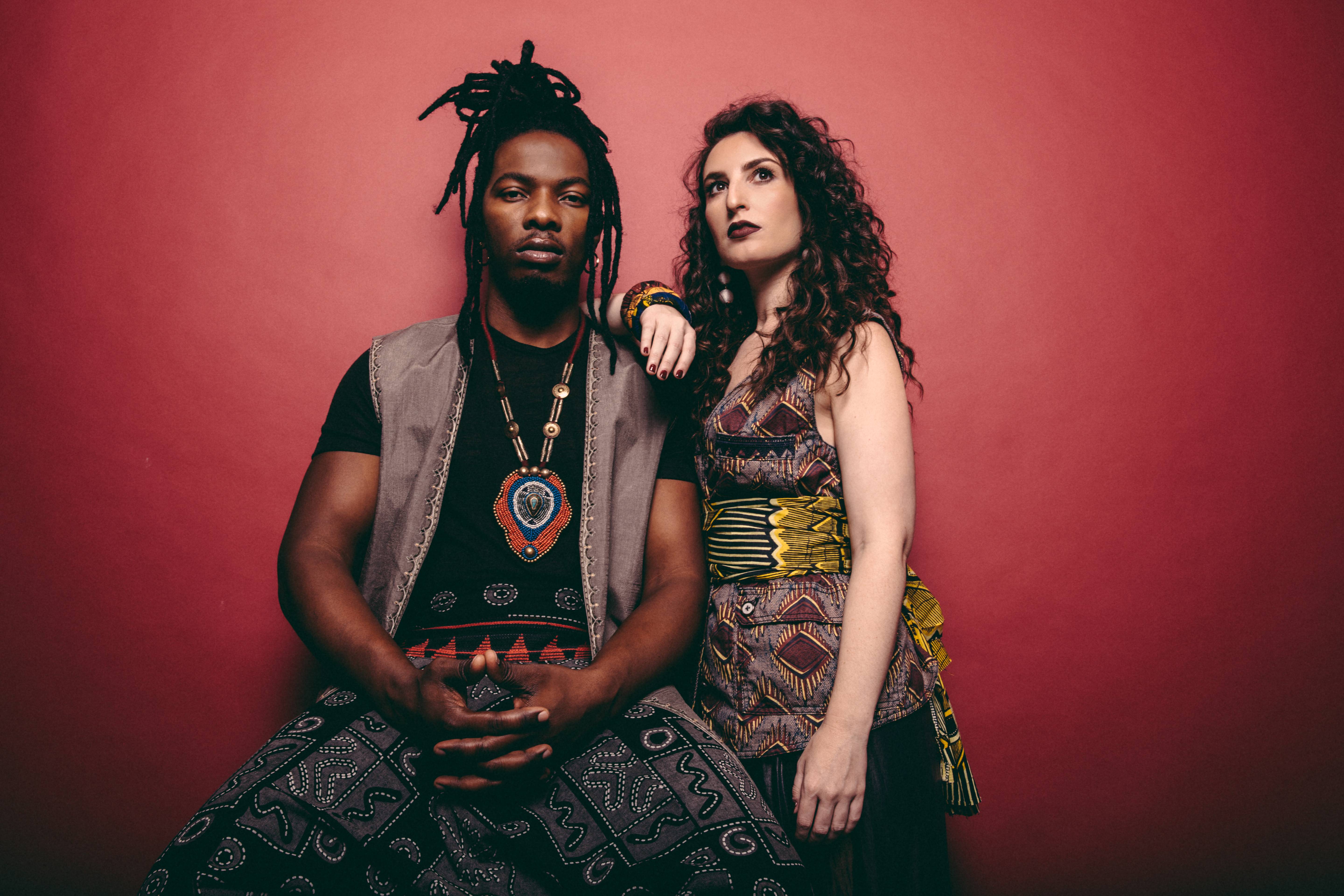
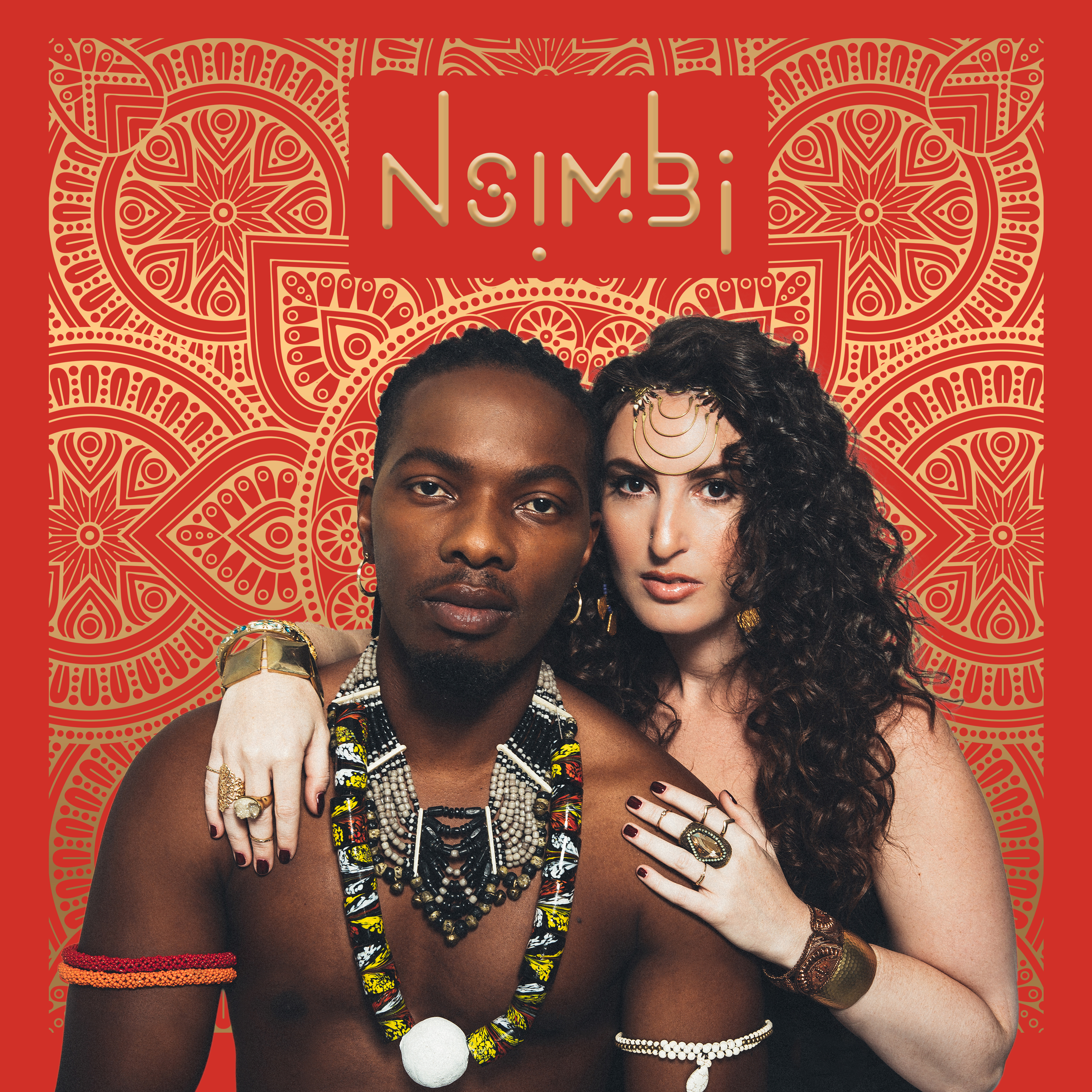
Nsimbi is a Ugandan - American international award-winning duo formed by Ugandan hip-hop pioneer GNL Zamba and American world fusion artist Miriam Tamar. Building on the acoustic sounds and indigenous instruments of Africa, Nsimbi blends contemporary elements of "Lugaflow" hip-hop and spoken word with English/Western songwriting and vocals to merge the traditional with the modern. A global sound anchored in the rich universal messages of ancient East African proverbs and folklore emerged with their debut self-titled album, featured on KCRW's Rhythm Planet and Public Radio International’s The World, and noted by NPR’s Tiny Desk/All Songs Considered. Their dynamic style embraces the beauty of dialogue and human connection through music and bridges cultures with lyrics in English, Swahili, Luganda and Lingala. Upon release, Nsimbi quickly charted on iTunes World Music top 5 in the US, Canada and Uganda. Within one year, the album received 2 international awards and 10 nominations.
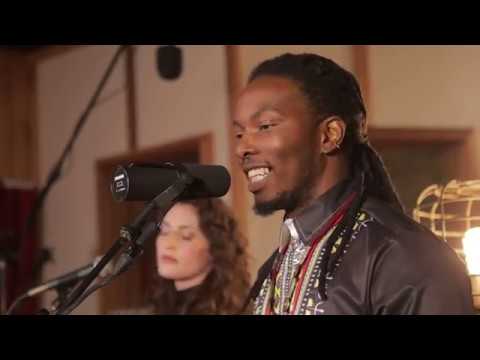
Nsimbi creates a vibrant interactive live experience that invites us to celebrate around the communal fire, and was an official artist at the SXSW 2019 Music Festival including showcasing for Afropop Worldwide. Sonically and visually dynamic, and at the same time rich in cultural content, Nsimbi has also been welcomed into prominent arts spaces including the Smithsonian National Museum of African Art and the Fowler Museum UCLA.
GNL Zamba is among East Africa’s most influential hip-hop artists, credited with bringing rap to the region's mainstream culture by using Uganda’s indigenous language in a style known as Lugaflow. He is the founder and CEO of Uganda’s only hip hop label, Baboon Forest Entertainment, which continues to mentor young talent and organize events. Nominated for over 40 African music awards, winning 17, GNL has performed throughout the world, including the We Love Africa Music Festival in Denmark, Selam Africa Music Festival in Ethiopia, and Sauti Za Busara Festival in Zanzibar.
Fusion vocalist and songwriter Miriam Tamar creates empowering soundscapes that journey through the vibrant rhythms of global culture. Her mix of genres reflects her years of jazz & pop influenced by world travels and the communities she’s lived within, including five years spent in Uganda developing peace education curriculum to rebuild the lives of post-conflict children, in addition to collaborating with artists from different regions of the country. Profoundly transformed and determined to remind people of the beauty beyond borders, Miriam’s solo Firedance EP debuted in the Top 5 of the iTunes World Music Chart and was featured on The Huffington Post .
The duo met in Uganda in 2012, and have collaborated in Africa and in the United States since. As passionate global citizens, Nsimbi create multi-media content and offer workshops tied to the themes of cross-cultural exchange, appreciation, and dialogue explored in their music.
Independent Music Awards 2019 Winner for Best Song - World Beat
Independent Music Awards 2019 Nominee for Best Song - Spoken Word
Independent Music Awards 2019 Nominee for Best Debut Album
Independent Music Awards 2019 Nominee for Best Music Video
256 Hip Hop Awards 2019 Winner for African Rapper of the Year
256 Hip Hop Awards 2019 Nominee for Album of the Year
256 Hip Hop Awards 2019 Nominee for Hustler of the Year
256 Hip Hop Awards 2019 Nominee for Video of the Year
256 Hip Hop Awards 2019 Nominee for Impact Track of the Year
256 Hip Hop Awards 2019 Nominee for Collaboration of the Year
UK Shiny Awards 2019 Nominee for Music Video
Abryanz Style & Fashion Awards 2018 Nominee for Most Fashionable Video of the Yea
Hip Hop/Rap | World Music/Traditional | World Music/Contemporary
Links
Source
Fire and Music: Nsimbi Tells Human Stories with East African Wisdom, Grace, and Swagger
The day used to end the same way around the world. After the work was done, families and communities would gather around a fire. They would sing, dance, tell stories, distill learning into proverbs.
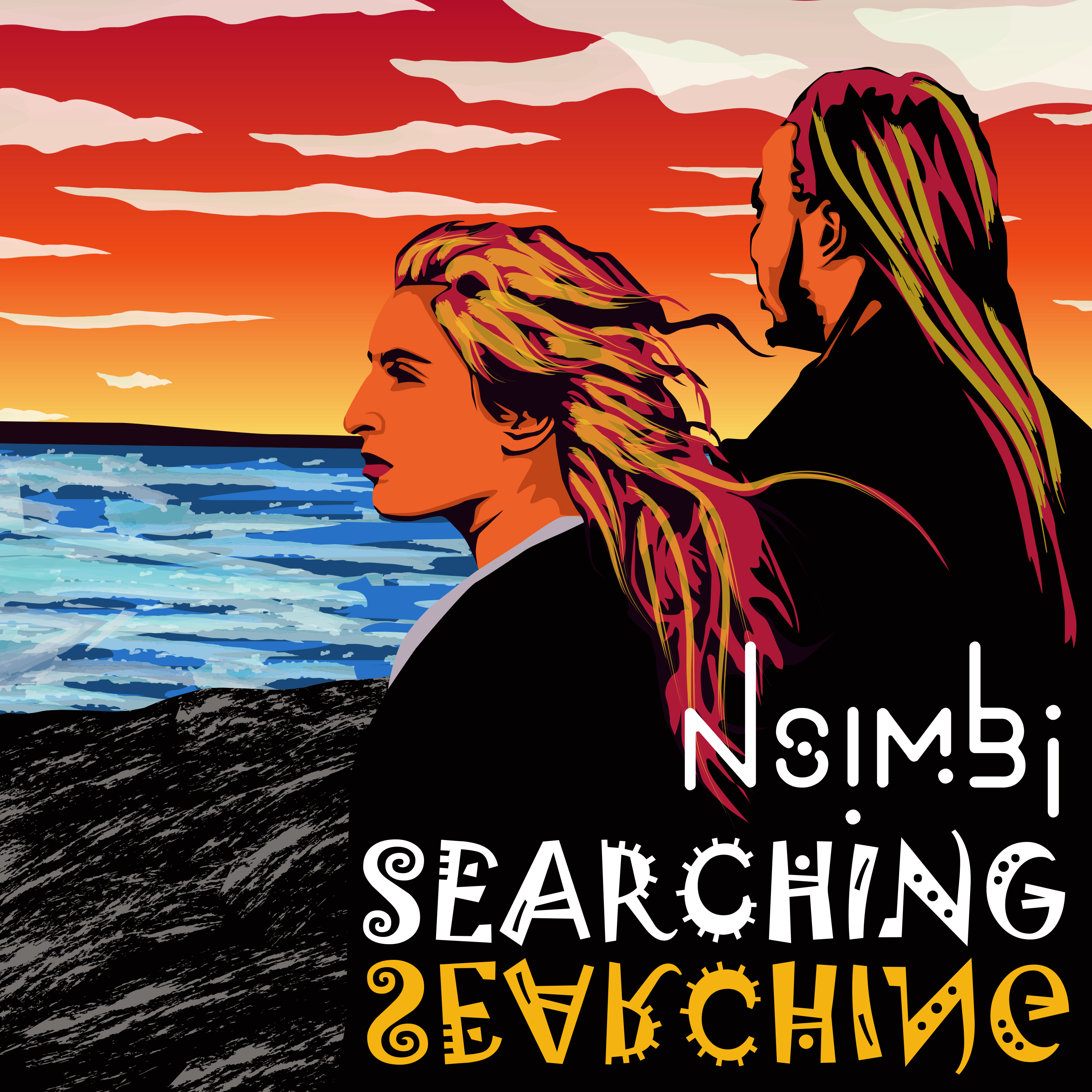
The fire that brought us together still burns, insists the American-Ugandan power duo Nsimbi. On their eponymous debut (release: June 22, 2018), the Kampala-born star hip hop MC and storyteller GNL Zamba and gifted American singer-songwriter Miriam Tamar trace age-old wisdom that can and should inform modern life, using traditional East African instruments and sounds in utterly contemporary ways.
“The album was inspired by ancient Swahili proverbs, but it centers around African culture, more generally, the ancient insights it conveys,” Zamba explains. “We want to show people today how relevant that knowledge is. We want to promote that oneness this knowledge suggests.”
“The transition to modernity is a big theme on this album. We were looking for roots and we found them in Swahili proverbs,” Tamar agrees. “Every song is based on a proverb. They are the thread, but it all keeps coming back to our need for human connections to thrive.” These connections weave together sonically, via instruments from kalimba to kora, into tight, grooving songs.
These songs are a natural outgrowth of a musical partnership that began several years ago in Kampala, where Zamba and Tamar met. Tamar managed a recording studio, having left a position in the troubled northern part of the country at an NGO dedicated to peace education and recovery after years of devastating war. She had come to the Ugandan capital to focus on her music and began working for a label.
At the studio, she ran into Zamba, a legend on the burgeoning Ugandan hip hop scene who had racked up numerous awards, producing gigs, and brand sponsorships. The two connected, and when Zamba was looking for a singer for a government-supported track to raise HIV awareness, he called on Tamar. The song is credited with making a significant impact, Zamba notes. They went on to more collaborations, as part of Zamba’s hip hop label.
“I was singing more pop and hip hop,” Tamar recalls. “I didn’t really have a strong idea about my voice or message at that point, but I knew I wanted to be singing and writing. I was experimenting and figuring out what I needed to do that felt closer to my own vision.” Then, after five years in Uganda, events drew Tamar back to the States. In the year she spent alone in the US, she found her voice, writing and recording a solo EP, Firedance. The EP debuted in the top five of the iTunes world chart, garnering strong reviews and significant YouTube views.
When Zamba came and joined her in America, he began to explore new ideas. Though he had collaborated with traditional and acoustic musicians in Uganda, his focus and his claim to fame were his accomplishments as a hip hop MC. Known as a “ghetto storyteller” for his frank portrayals of life in Kampala, “I grew up listening to American MCs like Nas and to rappers from South Africa and elsewhere. I had fun as a young man just doing hip hop, but it wasn’t my only center. I was all over the place; I would preach on the record but it never felt whole.” Zamba, too, began to search for a different way to raise his voice.
The romantic ties that bound Zamba and Tamar inevitably blossomed into musical collaboration, as both found a deeper calling as artists. “This album was an opportunity to mature and evolve and promote the things we both believe in,” says Zamba. “We love culture, and we want to encourage international collaboration across cultures.”
They hit upon Swahili proverbs as conceptual anchors, bringing their broad musical loves and diverse experiences together. “There is so much in these proverbs, some of which I first encountered when I studied Swahili in college and in Tanzania,” Tamar notes. “We’d talk about them, and then Zamba would find similar ideas in Baganda culture.” “Leo ni Leo,” for example, reminds listeners that all we have is today, but today is more than enough to find joy. “Dunia ni Matembezi” advises listeners to leave their familiar surroundings and discover the world, literally stating that “the world is walking,” getting out there, seeing new things.
The evocative proverbs were just the beginning. “After we’d thought about the proverb, we’d come up with stories that we could tie together from our two perspectives and experiences, and I’d develop the melody,” recalls Tamar. “We ended up singing in English, Luganda, Lingala, and Swahili.” The linguistic range was enhanced by the duo’s collaborators, US-based Ugandan multi-instrumentalist Kinobe and Congolese-born soukous guitarist and singer Jaja Bashengezi, whose musical imprint on tracks like the party-read “Sokota” proved crucial to the album.
Nsimbi has diverse origins but the tracks share a sonic integrity, a sunny acoustic sound and a mesmerizing rhythmic intensity. Within the overarching feel, the contributors’ various styles glimmer through: Tamar’s singer-songwriter instincts (“Gonna Be Alright”), Zamba’s hip hop roots (“Flower of the Heart”), Bashengezi’s red-hot soukous licks, and Kinobe’s expressive kora (“Forsaken,” which addresses the plight of refugees in East Africa and worldwide). Zamba and Tamar’s musical impulses sometimes lead to different understandings of a shared concept, as in “Omugga,” dedicated to the swaying current of a river. Tamar heard the pulse in one way, Zamba another. “You can watch us dancing to these different beats on stage,” laughs Tamar. “But it all came together, even though our sense of a river’s rhythm were so different.”
The differences and variations are part of the point. “We have very different approaches to writing,” reflects Tamar, “and the pace we worked at was scary, but rewarding.” “One thing we both love and agree on, we love music that helps society,” Zamba adds. “We don’t mean this in some corny way; it’s not a trite thing. We honestly believe in music’s positive power in the world.”
